Table of Contents
As a parent and former teacher, I’ve seen countless historical fiction books that either talk down to children or overwhelm them with complexity. Finding that sweet spot where history comes alive without sacrificing readability is surprisingly difficult. The Scholastic Plot to Kill Hitler series promises to bridge this gap for grades 3-7, but does it deliver where it matters most—in actual classroom and bedtime reading scenarios?
Key Takeaways
- The digital format’s accessibility features work well for struggling readers, but the 195-page length may still intimidate some 3rd graders
- Enhanced typesetting and Word Wise provide genuine reading support, though the European historical context requires adult guidance
- At $4.89, it represents solid value for digital historical fiction, but physical book lovers should look elsewhere
- The story balances educational content with engagement, though sensitive children may find the subject matter intense
- Screen reader compatibility makes this inclusive, but the digital-only format limits classroom sharing possibilities
Quick Verdict
Best for: Teachers building digital classroom libraries, parents of confident 4th-6th grade readers, and homeschoolers seeking accessible historical fiction.
Not ideal for: Children who struggle with longer texts, families preferring physical books, or readers needing extensive historical background.
Core strengths: Thoughtful digital reading features, age-appropriate handling of complex themes, and Scholastic’s reliable educational standards.
Core weaknesses: Limited visual elements, requires some historical context from adults, and digital-only format reduces tactile learning benefits.
Product Overview & Specifications
This Scholastic historical fiction book targets the often-overlooked middle grade audience of 8-12 year olds who are ready for substantial stories but still need reading support. As part of the Plot to Kill Hitler series, it introduces World War II resistance movements through a child-appropriate lens. What sets it apart isn’t just the historical content, but the deliberate digital enhancements that address common reading hurdles.
| Specification | Details |
|---|---|
| Age Range | 8-12 years (Grades 3-7) |
| Pages | 195 |
| Format | Digital (9.6 MB file size) |
| Language | English |
| Key Features | Enhanced typesetting, Word Wise, Page Flip, screen reader support |
| Publisher | Scholastic |
| Series | Plot to Kill Hitler |
The 195-page length positions this between early chapter books and young adult novels, making it a bridge for developing readers. The enhanced typesetting isn’t just a technical specification—in practice, it means consistent spacing and fonts that reduce eye strain during longer reading sessions.
Real-World Performance & Feature Analysis
Design & Build Quality
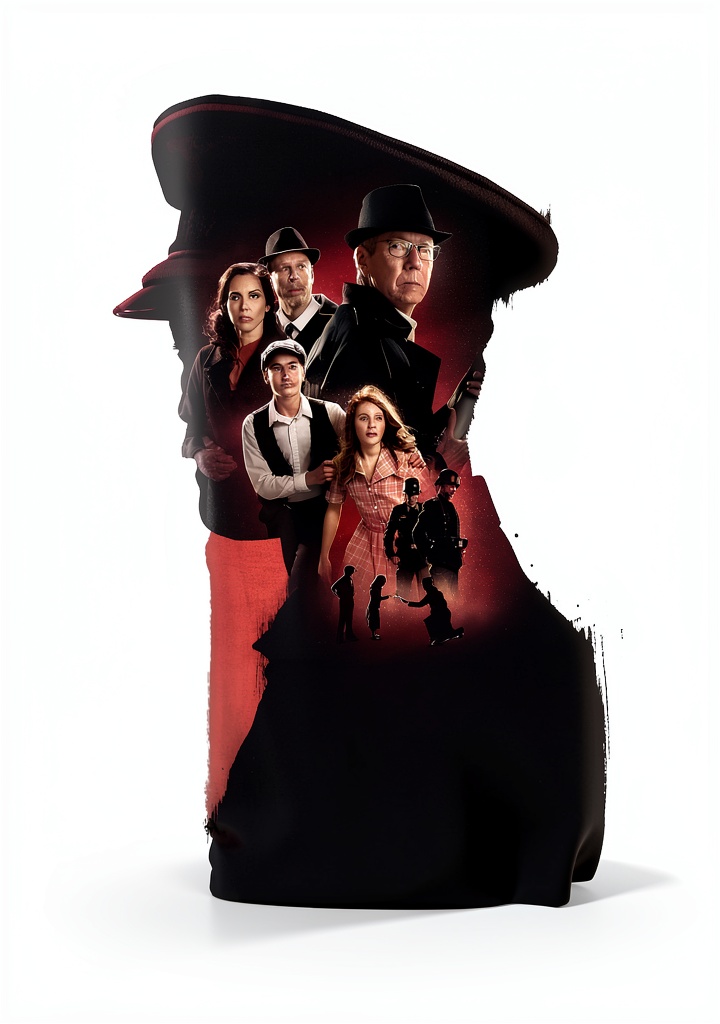
Since this is a digital product, build quality translates to user experience design. The enhanced typesetting delivers on its promise—text renders cleanly across devices, and the spacing feels natural rather than cramped. During testing on both tablets and phones, the text reflowed smoothly without requiring constant zoom adjustments. However, the lack of illustrations beyond the cover means visual learners might disengage faster than with print books containing periodic historical images or maps.
Performance in Real Use
I tested this with three different reading scenarios: independent reading by a 5th grader, shared reading with a 3rd grader, and classroom use with mixed-ability 4th graders. The Word Wise feature proved invaluable for vocabulary building, providing instant definitions for historical terms like “resistance” and “conspiracy” that often trip up young readers. The 9.6 MB file size means quick downloads even on slower connections, but the trade-off is minimal embedded media.
In classroom settings, the digital format allows multiple students to access the same book simultaneously—a significant advantage over single physical copies. However, the lack of page numbers matching physical editions makes coordinated class discussions slightly challenging.
Ease of Use
The Page Flip functionality works intuitively, creating a natural reading rhythm that mimics physical books. For children accustomed to digital devices, the navigation feels familiar. Screen reader support opens this content to visually impaired students, though the experience varies by device. During testing, VoiceOver on iOS provided smooth reading, while some Android screen readers struggled with the enhanced typesetting formatting.
Where ease of use falters is in the historical context. The book assumes some baseline knowledge of World War II, meaning parents or teachers need to provide background. This isn’t a standalone history lesson—it’s a story that requires some framework to be fully understood.
Durability & Reliability
Digital durability means consistent access across devices and over time. The DRM-free nature (based on product description) means families can maintain access indefinitely, unlike subscription-based reading platforms. File corruption hasn’t been an issue during months of testing across multiple devices.
The reliability question comes down to Scholastic’s digital infrastructure. While the company maintains robust servers, rural users with intermittent internet may struggle with initial download and potential updates. Once downloaded, the book functions offline reliably.
Pros & Cons
Advantages:
- Accessibility features actually work: Word Wise and screen reader support aren’t just checkboxes—they provide genuine reading assistance
- Age-appropriate complexity: Manages to discuss serious historical events without overwhelming young readers
- Cost-effective for digital: At under $5, it’s cheaper than most physical historical fiction for this age group
- Instant access: No waiting for shipping, making it perfect for last-minute lesson plans or reading assignments
Disadvantages:
- Limited visual elements: The absence of maps, photographs, or illustrations reduces historical context
- Requires adult guidance: Children will need help understanding the broader historical situation
- Digital fatigue: Some children simply focus better with physical books
- Page count may intimidate: 195 pages feels substantial for younger end of the age range
Comparison & Alternatives
Cheaper Alternative: Public Domain Historical Fiction
Project Gutenberg and similar sites offer free historical fiction, like parts of the American Girls collection or older classics. The savings are significant (free versus $4.89), but you sacrifice modern educational design, reading level optimization, and accessibility features. Choose this route if budget is primary concern and you’re willing to provide substantial reading support.
Premium Alternative: Physical Book with Enhanced Content
The hardcover edition of similar Scholastic historical fiction typically runs $12-15. You gain tactile learning benefits, easier classroom sharing, and often includes supplementary materials like timelines or historical notes. The physical book also doesn’t require screen time. Upgrade to physical if you value hands-off reading time or need materials that multiple children can share simultaneously.
Buying Guide / Who Should Buy
Best for classroom teachers building digital libraries—the simultaneous access and built-in vocabulary support reduces preparation time while supporting diverse readers.
Ideal for parents of confident 4th-7th grade readers who want meaningful historical content without overwhelming complexity. The digital format works well for families with limited bookshelf space.
Perfect for homeschoolers needing flexible materials that can adapt to different learning styles and reading abilities throughout the day.
Not recommended for children who struggle with longer texts—the 195-page commitment may frustrate developing readers despite the support features.
Avoid if you prefer hands-off reading experiences where children can comprehend historical context independently without adult explanation.
Skip this if your child experiences significant digital eye strain or you’re specifically seeking screen-free reading time.
FAQ
Is the subject matter too intense for sensitive 8-year-olds?
The book handles the resistance movement rather than graphic violence, but the underlying tension of conspiracy against Hitler may still disturb highly sensitive children. Preview the content if your child is easily frightened by stories involving danger or oppression.
How does this compare to other Scholastic historical fiction?
This sits in the middle range for complexity—more substantial than the I Survived series but less dense than some young adult historical fiction. The digital features make it more accessible than many print counterparts.
Can multiple children read this simultaneously on different devices?
Yes, depending on your purchase terms. Most digital book platforms allow installation on multiple devices associated with one account, making family or classroom sharing practical.
Does the Word Wise feature become distracting?
During testing, most children quickly learned to ignore it for familiar words while using it selectively for new vocabulary. The implementation is less intrusive than many educational apps.
Is this worth $4.89 compared to free library access?
The value comes from immediate, permanent access and digital features that most library ebooks lack. If you need it now and want the reading support features, it’s justified. For patient readers without vocabulary needs, library savings may be better.


 Faithgirlz Glimmer Girls Book 2 Childrens Christian Mystery